Top Mistakes Companies Make When Transporting Heavy Equipment in Qatar
Top Mistakes Companies Make When Transporting Heavy Equipment in Qatar
Transporting heavy equipment in Qatar is a complex operation that requires careful planning, regulatory compliance, and professional execution. Despite this, many companies still make costly mistakes that lead to delays, fines, equipment damage, or safety risks.
Below are the most common mistakes—and how to avoid them.
Ignoring Qatar’s Load and Weight Regulations
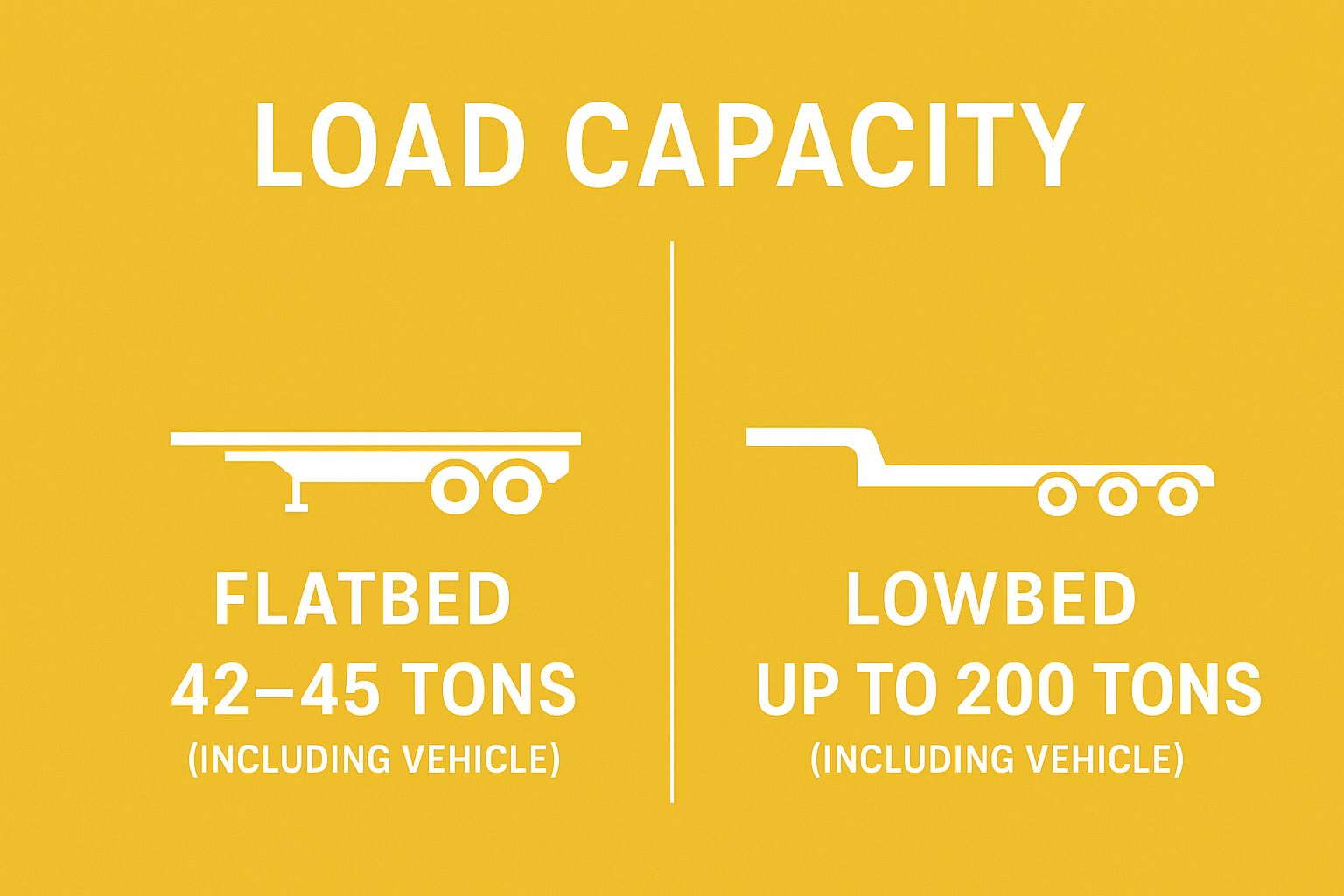
One of the biggest mistakes is failing to comply with Qatar’s legal weight and dimension limits. Overloading a trailer or using the wrong type of transport can result in penalties, project delays, or forced offloading.
How to avoid it:
Always verify the equipment weight and dimensions and select the correct trailer type (flatbed or lowbed ) that complies with local regulations.
Choosing the Wrong Trailer Type
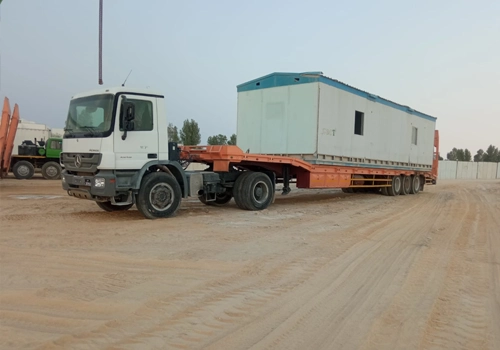
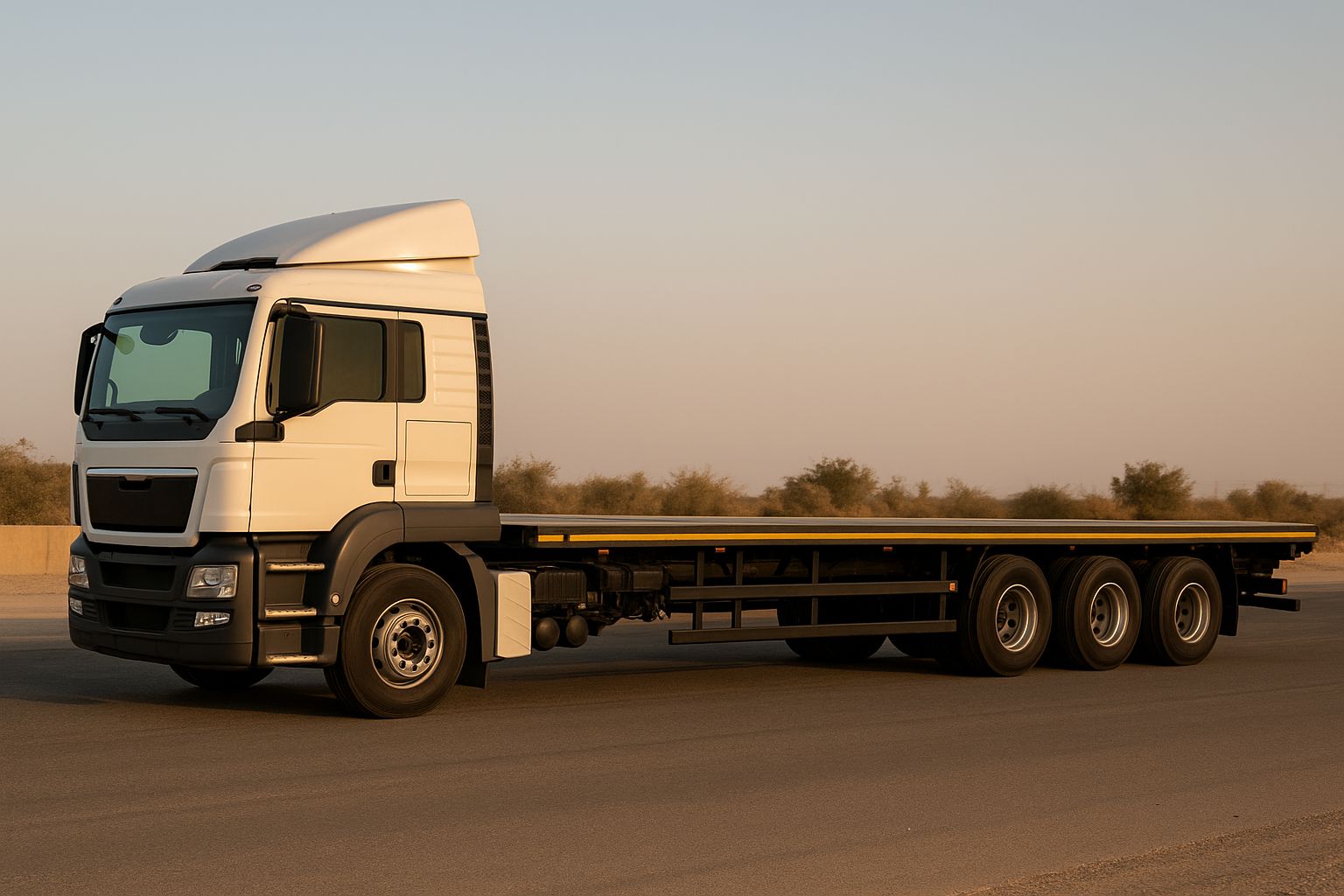
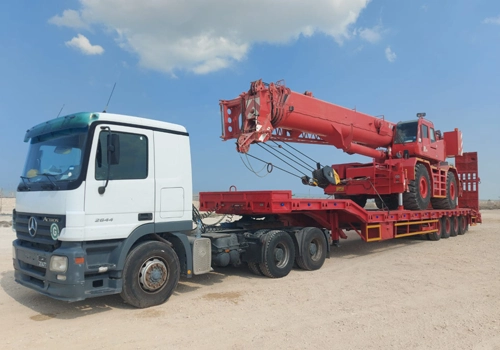
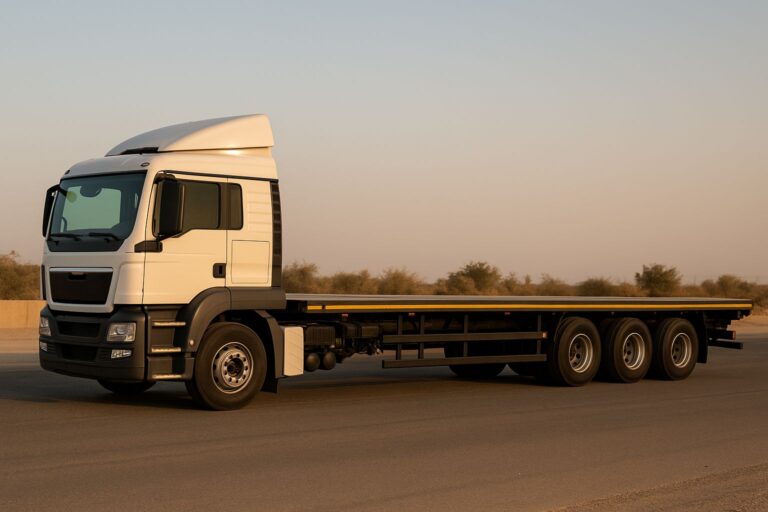
Using a flatbed (سطحة) for cargo that requires a lowbed (لوبد) is a common error. Tall or heavy equipment transported on the wrong trailer increases the risk of instability and legal violations.
How to avoid it:
Match the trailer to the cargo:
- Equipment under 30 tons → flatbed
- Heavy, tall, or oversized equipment → lowbed
Not Arranging Required Permits in Advance
Heavy or oversized equipment often requires special permits, approved routes, and sometimes escort vehicles. Companies that overlook this step face unexpected stoppages and delays.
How to avoid it:
Work with a transport company that manages permits, route approvals, and coordination with authorities.
Poor Route Planning
Some routes in Qatar have height restrictions, weight limits, or narrow access points. Inadequate route planning can cause serious delays or force last-minute rerouting.
How to avoid it:
Conduct a full route survey before transport, especially for abnormal loads or remote destinations.
Inadequate Load Securing
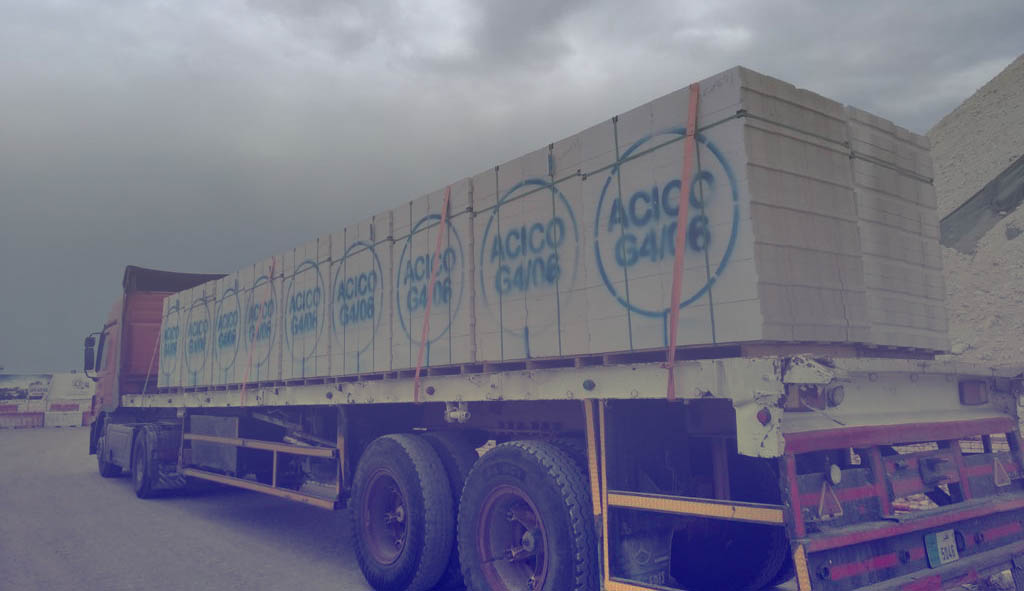
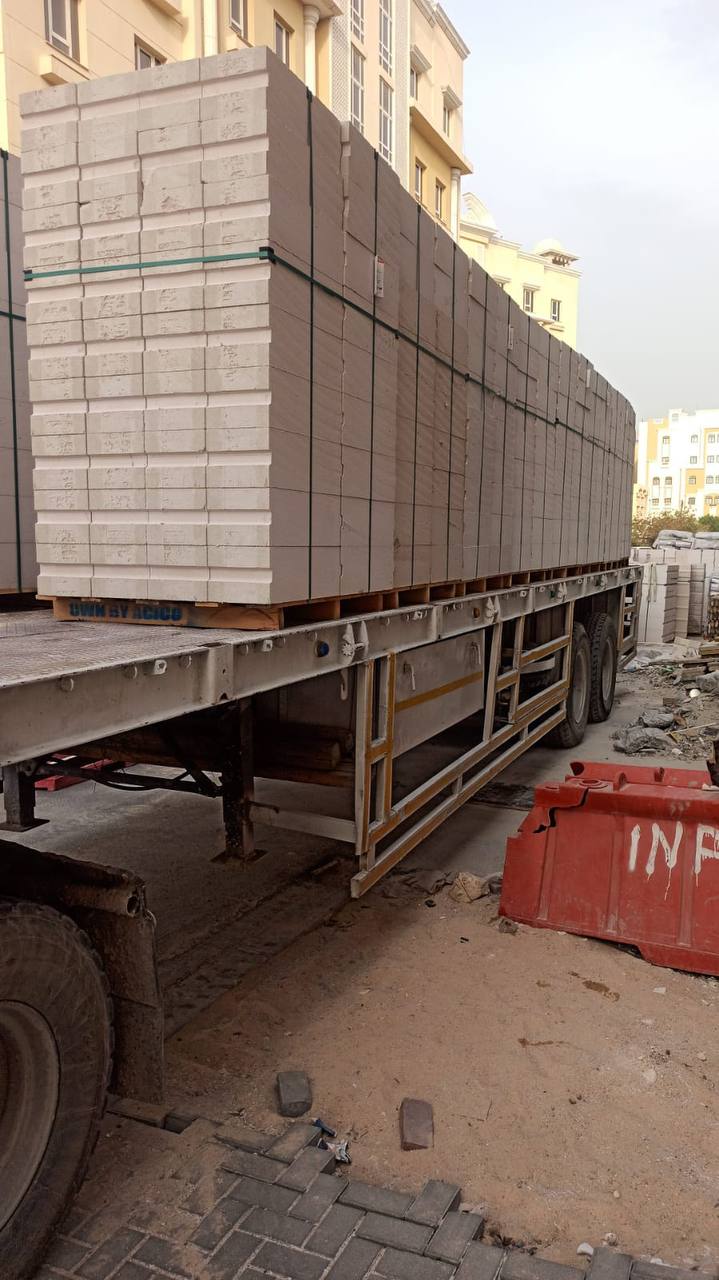
Improper lashing, weak chains, or incorrect securing techniques can cause equipment movement during transport, leading to damage or accidents.
How to avoid it:
Ensure the transport provider follows certified load-securing procedures using approved equipment.
Overlooking Loading and Unloading Requirements
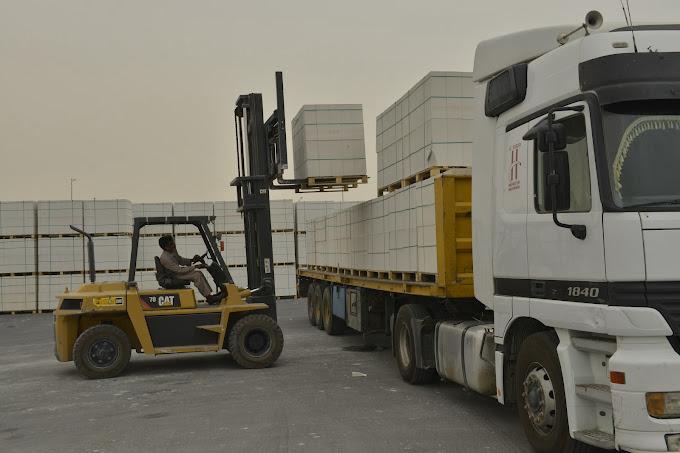
Many projects fail to plan for cranes, forklifts, ground conditions, or access space at loading and unloading points.
How to avoid it:
Confirm site readiness in advance, including lifting equipment, ground stability, and safe access for trailers.
Hiring Based on Price Only
Selecting a transport company solely based on the lowest price often results in poor service, lack of permits, or unsafe practices.
How to avoid it:
Choose a professional transport provider with proven experience, a suitable fleet, and knowledge of Qatar regulations.
Underestimating Project Timelines
Heavy equipment transport often involves multiple approvals and coordination steps. Unrealistic timelines can disrupt entire project schedules.
How to avoid it:
Plan transport well in advance and work with a company that understands project-based logistics.
Why Professional Heavy Transport Matters
A professional transport company ensures:
- Compliance with Qatar regulations
- Correct trailer selection flatbed or low bed
- Proper permits and route planning
- Safe loading, transport, and delivery
- Reduced risk and on-time completion
At Aslan, we understand the challenges of heavy equipment transport in Qatar and provide reliable, compliant, and efficient transport solutions tailored to project requirements.
Need expert support for heavy equipment transportation?
Contact Aslan Transportation & Contracting for professional trailer rental and heavy transport solutions across Qatar.